Not long ago, chatting to robots on a daily basis seemed like something out of a fascinating sci-fi movie. But nowadays, if you want to find the best pizza place, a good walking park, or a beauty salon, you simply ask Hey Google, Siri, or Alexa.
We are not just communicating with our phones but also with smart speakers and smart TVs. It’s become so common that it’s frequently faster and easier than typing.
But here’s the thing: we don’t use the same words when we talk to our devices as we do when we type. We converse more than we do in person. This minor difference has had a significant impact on how SEO specialists and marketers must perform their duties in order to reach all of us who prefer to search by speaking rather than typing.
This article looks into what voice search marketing is, how it contributes to improved rankings, optimisation tactics, benefits, obstacles, and a compelling call-to-action (CTA).
Virtual assistants, smart speakers, smartphones, and other gadgets can all be used to voice-activate searches. This is known as voice search marketing. Technology users chat with devices instead of typing, which is why marketers need to adjust their approaches to fit this conversational search model.
Voice search optimisation is critical for ranking higher in search engine results. Because voice searches are more conversational, search engines prefer content that matches natural language patterns. Businesses can boost their visibility and authority by personalising content to specific voice requests.
a) Conversational Keywords: Long-tail, conversational keywords that mimic how people speak should be used to optimise content.
b) Local SEO: Local optimisation should be prioritised because voice searches frequently have a local aim.
c) Structured Data Markup: Use structured data to give search engines context about your material.
d) Mobile-Friendly Content: For a smooth voice search experience, make sure your content is mobile-friendly.
e) FAQ Sections: To answer possible voice search queries, include FAQ sections on your website.
4. Advantages of Voice Search Marketing:
a) Enhanced User Experience: Voice search provides users with a more comfortable and natural approach to connecting with technology.
b) Increased Traffic: Businesses may reach a larger audience and increase traffic by optimising for voice search.
c) Position Zero Exposure: Featured snippets, which place your content at the top of search results, are a result of proper optimisation.
d) Brand Authority: Effective voice search tactics increase brand credibility by delivering precise and pertinent content.
5. Challenges:
a) Blurry Queries: Voice questions might be more imprecise than typed searches, making exact optimisation more difficult.
b) Varied Accents and Dialects: Understanding various accents and idioms is a challenge for voice recognition technology.
c) Limited Analytics: Analysing voice search data is more difficult than typical search analytics.
6. Call-to-Action (CTA):
It’s crucial to keep up with the constantly changing digital marketing landscape by being proactive and adapting to emerging trends. Let’s make sure we are ahead of the game. Using voice search marketing is no longer an option. It is a requirement. Consider collaborating with experts in voice search optimisation to optimise your strategy. Whether you’re a local business or a multinational brand, the benefits of higher results and improved user experience are within reach with the appropriate voice search marketing strategy.
Conclusion:
Voice search marketing is changing the way businesses interact with their customers. Those who understand its complexities might not only rank higher in search engine results but also improve their overall digital presence. Implement voice search optimisation into your marketing plan today to embrace the future of search.
User experience and user interface design are essential in building flawless products that engage consumers in software development. Having a user-friendly interface and smooth functionality is crucial for software adoption.
Understanding UX/UI:
User Experience (UX):
All of a user’s interactions with a product are included in the user experience. It has to do with how users experience, sense, and interact with an application. Users may easily accomplish their goals and have a smooth, enjoyable journey when they have a positive user experience (UX).
User Interface (UI):
The user interface focuses on the visual aspects and overall user experience of the product.UI design involves creating visually appealing, user-friendly interfaces that are consistent with the brand identity.
Imagine entering a well-planned and easy-to-use space compared to one that is disorganised and chaotic. With software, the same idea holds true. While an easy user experience guarantees that consumers can rapidly learn how to browse and utilise the application, a well-designed user interface makes a good first impression.
Enhancing user satisfaction is the ultimate goal of UX/UI design. Designers may produce user interfaces that not only meet but also beyond expectations by having a thorough understanding of user demands, habits, and preferences. Users are more inclined to utilise the programme regularly if they are satisfied.
Optimised Navigation:
A user-friendly navigation system is essential to a satisfying experience. Good UX/UI design makes sure that users can navigate the program with ease, locate what they need, and finish activities without having to deal with extraneous friction.
Reduced Learning Curve:
Software that is simple to use and comprehend is valued by users. An intuitive UI reduces the learning curve, making it easier to use and building user confidence.
Brand Consistency:
UI design is important for more than just aesthetics; it is also important for brand consistency. Branding that is consistent throughout the software increases trust and recognition. Users should feel at ease as they navigate through the application’s many components.
Accessibility and Inclusivity:
All users, including those with disabilities, should be taken into account while designing a UX/UI. Accessible design principles ensure software is user-friendly for a wide range of users.
Process of UX/UI Integration in Software Development:
Research and Analysis:
The first step of the process is conducting in-depth research to identify the target market, their requirements, and the issue that the programme seeks to resolve. The functionality and design direction are informed by this.
Wireframing and Prototyping:
Prototypes and wireframes are crucial in the early phases of design. Before devoting time to intricate design work, designers and developers can use these blueprints to see how the programme will be organised and function.
The process of designing UX/UI is iterative. It is essential to obtain ongoing input from users and stakeholders in order to improve and polish the design. The ultimate result will meet user expectations thanks to this iterative process.
Collaboration:
It is essential for designers, developers, and other stakeholders to collaborate effectively. The seamless integration of the design vision into the finished product is ensured via close communication.
Conclusion:
Modern software development is very competitive, and more than an application’s ability to work is needed to determine its success. Consumers expect a fun and simple experience. Software developers may create solutions that not only suit user needs but also leave a favourable and lasting impression by acknowledging the important function of UX/UI design. In today’s user-centric digital landscape, the key to realising the full potential of any software product is the harmonic fusion of interface design and user experience.
Creating a solid and memorable brand is important for success in today’s competitive business environment. A brand goes beyond just a logo or a name and represents what a company stands for, building long-lasting customer relationships. This article discusses some important sub-services under brand development. Let’s dive in.
The core of all profitable brands lies in a specific strategy. A brand strategy is an in-depth analysis of the business objectives, target market, and competitive advantage. It includes marketing research, competitor analysis, and a well-defined plan covering the short, medium, and long-term goals. The best of the rest starts with a strong brand strategy.
Brand Identity: Crafting a Visual Signature
The visual representation of the brand is referred to as brand identity. Brand distinctiveness is achieved through design elements such as the logo, colour scheme, and typeface. An effective brand identity goes beyond attracting attention to communicate a message about what the brand stands for and personifies. It is the visual handshake that consumers leave with.
Messaging and Positioning: Finding Your Voice in the Crowd
Messaging goes beyond words; it tells a story that speaks to the audience. While brand positioning refers to identifying the specific market that the brand occupies. They work together to ensure the brand tells a clear and compelling story, attracting consumers and setting it apart from competitors.
Brand Voice and Tone: Speaking your audience’s language.
The voice and tone of a brand play an important role in making real contact with consumers. The brand’s voice captures its personality; the style fluctuates depending on the situation. A brand’s voice and tone are important in establishing trust and familiarity, even with witty social media posts or formal press releases.
Brand storytelling goes beyond facts and features and touches on what stirs emotion in the audience. A story that attracts attention makes a good brand image. Storytelling provides an opportunity for the brands to have a personalised identity. Instead of being service and product providers, they become participants in the story that customers want to associate with.
Brand Experience: Turning Customers into Advocates
All of these interactions are what make up the brand experience. This includes everything, from a website’s user interface to the customer service experience. Loyalty and advocacy grow from positive brand experiences that make satisfied customers become brand ambassadors. Being consistent in everything, you deliver the perfect brand experience.
Conclusion:
A well-planned and strategic brand-building approach is essential in today’s fast-paced business environment. Each sub-service is essential to a brand’s overall success because it helps define its strategy, create a visually appealing identity, shape a meaningful message, and provide a consistent brand experience.
Companies who spend money on thorough brand development differentiate themselves in a congested market and create long-lasting relationships with their target audience. A well-designed brand acts as a beacon, guiding consumers and encouraging loyalty in a world with many consumer choices. The secret to succeeding in the market is to adopt a comprehensive brand development strategy, whether you’re a startup trying to make a splash or an existing company in need of a revamp.
In today’s rapidly changing technological landscape, combining artificial intelligence (AI) and machine learning (ML) has significantly transformed software development. This dynamic team is a revolutionary force, changing the way software is conceptualised, built, and managed.
Understanding AI and Machine Learning
Software development may now be done more effectively and with greater capabilities thanks to artificial intelligence (AI), machine learning (ML), and the ability of machines to mimic intelligent human behaviour.
Streamlining Development Processes
The simplification of development processes is among the most obvious effects. AI and ML algorithms analyse large datasets, automate tedious tasks, and discover patterns to generate faster and more accurate code. This promotes creativity by enabling developers to concentrate on complex, artistic parts of software development.
Predictive Analytics for Enhanced Decision-Making
Software development now includes predictive analytics thanks to the integration of AI and ML. By analysing past data, these technologies can predict possible problems and facilitate proactive decision-making. Developers are able to plan ahead, allocate resources optimally, and improve project management in general.
Smarter Debugging and Problem Resolution
Debugging tools with AI capabilities and error prediction models have completely changed how developers find and fix problems. By using patterns found in earlier code, these systems may forecast possible flaws and help create software that is more dependable and durable.
Algorithms powered by AI and ML examine user behaviour to generate customised experiences. This translates to content recommendations, better user engagement, and adaptive interfaces in software development. Software customisation based on personal preferences increases customer loyalty and pleasure.
Continuous Integration and Testing
Continuous integration and testing are made easier by the development pipeline’s incorporation of AI and ML. Software that is more robust and safe is produced through automated testing that is fueled by machine learning algorithms. This ensures that possible defects and vulnerabilities are quickly identified.
Future Possibilities
Software development will likely be more deeply impacted by AI and ML as they grow. Software engineering has a lot of interesting potential ahead of it, with the development of autonomous systems that can learn from their mistakes and adjust in real-time.
When artificial intelligence (AI) and machine learning (ML) models are trained on historical data, they may reinforce or even worsen preexisting biases in the data.
Unfair or unequal results may result from this, particularly in areas like criminal justice, lending, and employment.
Lack of Transparency:
Certain artificial intelligence and machine learning algorithms, especially intricate, deep learning models, function as “black boxes,” with the decision-making process being opaque and difficult to understand.
In circumstances like medical diagnosis or legal contexts, when knowing the reasoning behind a decision is crucial, a lack of transparency might provide difficulties.
Data Privacy Concerns:
Large datasets are essential to AI and ML systems. Concerns regarding privacy arise when handling private or sensitive data, particularly when the data is not adequately anonymised or secured.
Serious privacy violations may result from unauthorised access to sensitive data.
Overreliance on Technology:
The overuse of AI and ML can lead to a reduction in human interaction and critical thinking due to over-reliance.
Believing AI to be correct all the time could result in disregarding common sense logic or subtleties in the situation.
Job Displacement:
Because AI and ML drive automation, repetitive and routine operations may become automated, potentially leading to employment displacement in some industries.
Retraining the workforce is necessary to help them adjust to the ever-changing nature of employment.
Security Risks:
Malicious actors may modify input data to trick a model in an adversarial assault against AI and ML systems.
In order to avoid unauthorised access or manipulation, it is imperative that AI applications be secure.
Conclusion
The world of software, machine learning, and artificial intelligence is experiencing a wave of innovation. More advanced, effective, and user-focused software can be produced by developers because of this empowerment. Future digital experiences will surely be shaped by the revolutionary changes that the software development industry will inevitably undergo as these technologies advance.
When it comes to software development, making things work better is like embarking on a quest for efficiency. Let’s simplify the process with a clear guide to optimise software development principles.
Three easy-to-follow steps to optimise your software development journey:
1. Plan and Create a Workflow
The first and most important step is planning. Think of it like route planning before a road trip. Make a detailed process and plan that details each phase from beginning to end. Ensuring a smooth development process and clarifying the roles of team members are essential for effective collaboration.
2. Develop or Select a Visionary Methodology
Selecting the appropriate strategy is similar to picking the ideal car for the trip. Having a forward-thinking approach is crucial whether you’re creating a new app or updating an old one. It might be Scrum, Agile, or another approach that fits along with the objectives of your project. Because it offers a path that is structured, development is more effective and flexible.
Consider developing software as a collaborative activity. This requires teamwork! All team members should be encouraged to communicate openly. Collaboratively solve problems, generate ideas, and confront obstacles. Collaboration guarantees that each person’s strengths contribute to the project’s success and spark innovation.
Conclusion:
Efficiency is a journey, not a destination, so keep that in mind as you make your way through the complex world of software development. A successful outcome can be managed by putting strategic planning into practice, selecting an appropriate technique, encouraging teamwork, and prioritising performance optimisation. Effective and creative digital solutions are made possible by your software development process, which creates a balanced synthesis of accuracy, flexibility, and perfection. Cheers to coding!
Social media has transformed the way we interact, talk, and stay informed in the digital age. Although these sites come with a lot of advantages, the mental effects have proven to be more alarming. This article discusses mindfulness and managing the fine line between the use of social media and mental well-being.
Understanding the Connection:
Self-expression, connecting, and sharing of information are made possible through the use of social media platforms. Despite this, repeated access to filtered pictures and posts and the necessity to depict a flawless existence could also result in psychological problems. Some of those problems that one finds in the digital age include social comparison, cyberbullying, and the fear of missing out (FOMO).
Connection and Support: Social networking facilitates connectivity with people around the globe, building an environment of affiliation and togetherness.
Information and Awareness: Platforms are valuable sources of information and raise mental health issues for awareness, resources, and discussion.
Creative Expression: Through social media, people can freely express themselves, share their successes, and be contributors to diverse online communities.
Mindful Consumption: Awareness of social media usage is a must. Create some boundaries, limit scrolling times, and customise your feed with affirmative and motivational information only.
Authenticity over Perfection: Embrace authenticity. Be genuine, and acknowledge that everyone’s path has its own particularities. Do not succumb to the temptation of presenting an idealised picture of your life.
Positive Engagement: Foster positive connections online. Share ideas of supportiveness, celebrations of others’ victories and raising up communities.
Digital Detox: Take breaks from social media at scheduled times and reconnect with real-life activities. This ensures the equilibrium between the ‘virtual’ world and the real one.
Creating Social Media Content:
Inspirational Quotes: Share some uplifting quotes.
Self-Care Tips: Offer practical self-healing tips and suggestions for mental health enhancement.
Storytelling: Express individual experiences regarding overcoming challenges with a note of resilience and development.
Community Engagement: Fosters discussion about mental health issues, providing a conducive environment for discussion and mutual assistance.
Digital Wellness Challenges: Launch challenges for digital well-being like Digital “Detox Week” and “Mindful Moments Challenge”.
Conclusion:
Mindful handling of social media and mental health can be complementary. One can avoid such pitfalls by identifying their boundaries to promote positive interactions with others on the internet and improve mental health. Learn to take advantage of the positive aspects of being connected digitally and, at the same time, be authentic with yourself. However, in the large digital space, it is you who can control how you interact with social media.
In today’s world of digital marketing, influencer marketing has become one of the most effective ways to link brands with their target customers. From now on, there are trends and best approaches that will reshape and enhance the world of influencer marketing.
Predictions for the Future:
Micro-Influencers Will Take Center Stage:
Mega-influencers may vanish, while micro-influencers may come through as consumers increasingly seek authentic connections. These people with smaller but highly engaged followings can have a more genuine and relatable touch on the brand’s message.
Rise of Niche Influencers:
Brands that want to target specific audiences will increasingly rely on niche markets. Specialist influencers will emerge and provide brands with more specific and efficient ways of targeting the right audience.
Video Content Dominance:
Video content is expected to remain dominant. Influencer collaborations will now be focused on short-form videos on platforms like YouTube shorts and Instagram Reels. However, brands that adapt and make engaging video content will probably be successful.
Sustainability and corporate social responsibility are on the rise. This makes influencers that endorse environmentally and socially conscious causes to be better received. Socially conscious consumers will appreciate brands partnering with influencers advocating for positive change.
Virtual Influencers and AI Integration:
It will be interesting to see the emergence of virtual influencers and AI-generated content, though. These virtual entities do not completely replace human influencers; they can provide distinctively controlled brand experiences that merge the physical and digital worlds.
Best Practices for Influencer Marketing Success:
Authenticity is Key:
Prioritise authenticity in influencer partnerships. Consumers are easily
Tumeur de la prostate : pronostic en fonction du stade, du grade et du risque
able to distinguish between genuine enthusiasm and a forced promotion. Ask influencers to post personal stories or experiences about your brand.
Data-Driven Strategies:
Utilise data analytics to ascertain which influencers suit your brand. To ensure success in a campaign, it is important to understand the target audience and the influencer’s reach, engagement, and demographics.
Long-Term Relationships:
Forge long-term partnerships as opposed to single collaborations. This can result in more authentic endorsements and better connections to the audience.
Clear Communication and Guidelines:
Create open channels and guidelines for influencer collaborations. Make sure that influencers understand your brand values, messaging, and any regulatory considerations to help maintain consistency.
Diversify Platforms:
Do not confine your influencer marketing campaign to one platform. Reach a larger audience by diversifying across different channels. Demographics and preferred content differ between platforms.
Measure ROI:
Put in place tools for measuring the return on investment (ROI) of your influencer marketing campaigns. Measure the effectiveness of your collaborations by tracking metrics, including engagement rates, conversions, and brand sentiment.
Overall, the future of influencer marketing is exciting. Brands need to understand the current dynamic trends in the market and adopt appropriate means of communicating their brands with their intended audiences in order to remain successful in this ever-changing environment.
Hashtags are like magical keys to more popular posts and more views. However, there is a correct way of using them and an incorrect way of using them. We’ll let you know about the good and bad of hashtags in your social media posts in this article.
First, locate hashtags that are appropriate for your post. Ensure you identify those ones which are trending or widely used in your area of concern. This will enable many more people to find your content.
2. Keep It Short and Specific:
Use clear, short, and specific hashtags. It is not easy to read or even recall such long and complicated tags. Ensure their relevancy to your post.
3. Use Keywords:
Incorporate some keywords in your hashtags. Wherever you are posting some fitness tips, be sure to use tags like “#FitnessTips” or “#HealthyLiving” to improve its visibility to people looking these things up.
4. Create Your Own Hashtags:
Use a unique tag for your brand/campaign. It also helps create brand visibility and enable your audience to interact with content.
Add hashtags for popular topics, and be quick. You can do this to ensure that more people read your post, but just in case, it has nothing to do with the trend.
6. Check for Mistakes:
Use initial capital for all words in a multi-word hashtag such that they are readable. This includes checking out typos, which might be embarrassing or misunderstandings.
The Don’ts
1. Avoid Too Many Hashtags:
Don’t go overboard with hashtags. There are many that you simply should not use, as it can make the post unprofessional looking. Achieving a lot is about doing the least.
2. Stay Clear of Unrelated Hashtags:
Always use relevant hashtags and never post them if they do not make sense in relation to the content. It will only confuse your audience and destroy your image.
3. Skip Special Characters:
Use normal letters and numbers while incorporating your hashtags. They become less effective and difficult to locate because they may include special characters or symbols.
4. Steer Away from Controversial Hashtags:
Avoid using controversial hashtags. This may affect your reputation to the extent of receiving bad reviews.
5. Don’t Use the Same Hashtags Repeatedly:
Change your hashtags depending on your content or context. It can become boring to stick to the same items for each entry.
6. Follow Platform Rules:
Each social media platform has its rules for hashtags. Adhere to those rules to increase the scope of your post.
Conclusion:
On social media, using a couple of relevant hashtags can improve your post, but remember, you must use them effectively. These are some simple do’s and don’ts for you to follow in order to make your content more popular among wider audiences. Adapt your strategy to suit a growing social media and see the growth of your online presence. Happy hashtagging!
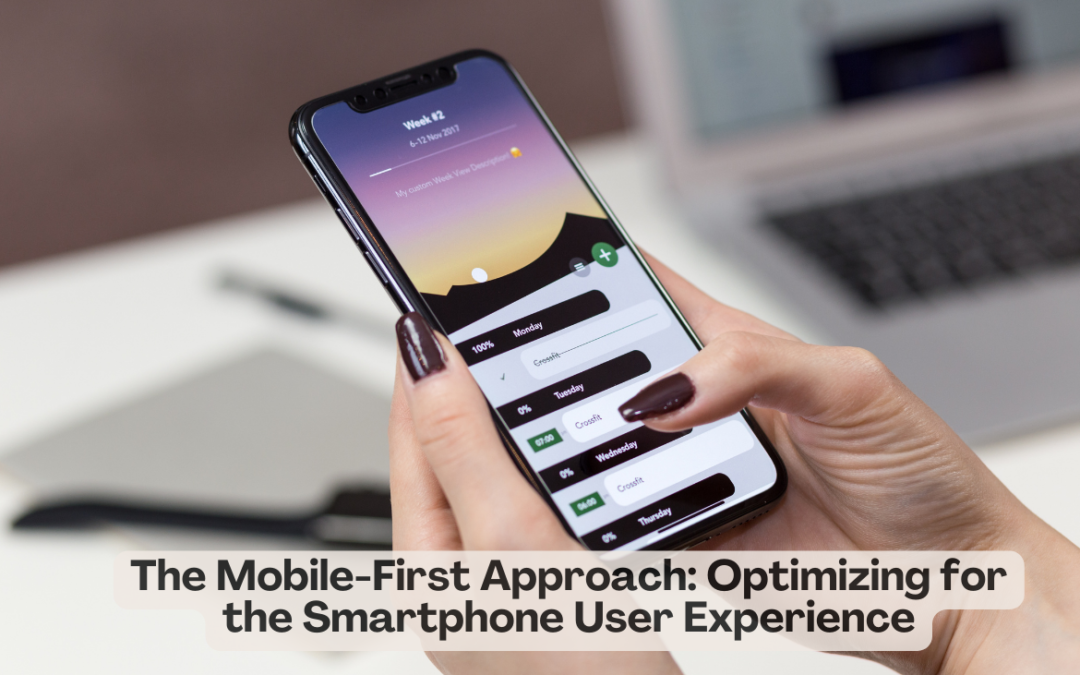
Web design strategy often starts with a mobile-first approach due to the overall use of smartphones. This strategy highlights the user experience on the phone because people mostly search for materials, view content and do business on the cell phone. The article under discussion will discuss the mobile-first approach and why it is crucial to design a hassle-free smartphone user experience.
Understanding the Mobile-First Approach
Mobile-first is an approach in designing and developing for mobile devices first, followed by desktops and larger screens. The expanding trend of mobile use triggers this shift of emphasis. According to Statista, in 2022, the number of smartphone users exceeded 4.8 billion, which demonstrates the importance of smartphones in our lives as digital creatures.
The mobile-first approach entails:
Prioritising Mobile Users: The first and only thing to consider when designing websites, apps, or any other digital content is how it will look from a functional perspective when viewed on a mobile device. This approach makes the user experience suitable for small screens, the touch interface, and the different network conditions that are common on smartphones.
Progressive Enhancement: It starts simple for mobile users first and then adds advanced functionality and other design elements for larger screens.
The importance of the mobile-first approach
User-Centric Design: You will have prioritised your mobile users, making sure that you have put the user into the centre of the design process. In an environment with limited screen space and various interaction methods, the user experience must be made more straightforward and understandable.
Faster Loading Times: Mobile-first design focuses on using lightweight assets and optimised code. As a result, the pages load fast, which is of greatest importance for retaining mobile subscribers who, most of the time, access weak and slow networks.
Improved SEO: In its search results, Google and other search engines favour mobile-ready sites. You should welcome the mobile-first strategy because it may enhance your search visibility and SEO rankings.
Adaptability: This involves having a responsive and flexible design so that it fits well in mobile devices with a possibility of expansion into bigger screens. This gives guarantees that your content is friendly towards different devices.
Increased Conversions: A mobile-optimized website or app leads to better user engagement, lower bounce rates and higher conversions (making a purchase, subscribing, or consuming content).
The best practices for mobile-first design
Responsive Design: Be sure your website or app will fit different screen sizes and orientations, which should lead to a consistent and enjoyable experience for all devices.
Touch-Friendly Interfaces: Ensure that user interface elements are optimised for touch interactions, like tapping the buttons and navigating through the menu using a single finger.
Mobile-Friendly Content: Keep content simple for mobile devices with short text, selected graphics, and straightforward layouts.
Performance Optimization: Ensure good performance through image optimisation, minimising HTTP requests, and browser caching for faster loading.
Testing and User Feedback: Keep checking your design on different mobile devices, collect user feedback and look out for usability concerns as well as areas that need improving.
In today’s mobile-oriented world, adopting the mobile-first approach is crucial, regardless of designing a website, creating an application, or developing digital content.
Businesses have numerous ways to connect with their audience and expand outreach. Blogging is a powerful tool that is often overlooked. Establishing and managing a blog can be highly advantageous for your business. This article will focus on why blogging is necessary for business and its benefits for search ranking.
Standing out from the crowd on the vast internet can be quite challenging due to its huge size. One way to gain your online visibility is through blogging. By creating unique and relevant content that is useful to your targeted audience, you make it easier for them to find you during a search. As a result, it can bring more organic traffic your way.
Makes you an industry expert
If you have knowledge and skills in your niche, then create a blog on your site. By regularly giving high-quality, well-researched information, you project yourself as a thought leader. This also strengthens the trust of your audience and makes you different from your competitors.
Drives Traffic to Your Website
Every blog post you publish brings an additional visitor to your site. Keyword-driven content and search engine optimisation improve rankings and result in increased website traffic. The better the traffic you will have, the better chance you will convert visitors into paying customers.
Two-way communication is made possible through blogs. This allows readers to offer comments, ask questions and even contribute their views to what you have written. This develops an interactive relationship with customers as well as a feeling of belongingness among the audience. It is an excellent way of listening to clients and understanding their desires better.
Supports Content Marketing Efforts
Content marketing is based on blogging. It gives fresh content that can be shared via social media or email marketing. This creates a connection that enables you to remain relevant online and continuously communicate with your audience.
Generates Leads and Conversions
They can be very helpful in lead generation. You can increase your email list by giving valuable incentives like e-books, webinars, or free trials in exchange for contact information. Eventually, this list can be utilised in future email marketing campaigns and lead nurturing to convert these leads into customers over time.
Showcases Your Brand’s Personality
Your blog helps you showcase your brand‘s personality and values. The style of writing you use and what you decide to write about can help make your business seem more believable and real. This helps you to create a human touch in this company and make a long-term relationship with the customer.
Supports SEO Efforts
Fresh, relevant content is important for search engines because they generally direct users to the sites that constantly update their information. Blogging works wonders for your SEO, giving you the ability to strategically place target keywords throughout your posts, increase your site’s domain authority, and earn highly-valued backlinks.
Keeps Your Website Dynamic
When you stop moving, static websites become boring, just like life. Blogs that are updated on a regular basis provide dynamics and keep people coming back to your site. The moving part projects the idea of a business in line with contemporary standards.
Finally, blogging is an important and budget-friendly way of marketing online that can promote companies. Apart from driving traffic to your online store and boosting your search engine ranking, it enables you to project your brand as an industry authority that cares for people. It is time you thought of beginning a blog for your business and see a chain of benefits take its course. Happy blogging!










Recent Comments