Are you feeling stressed about an upcoming job interview? It can be daunting to face unexpected questions or situations. If you answered yes, then know that you’re not alone. Many job seekers experience anxiety and uncertainty when it comes to interviews. However, helpful Mock interviews can boost your confidence and increase your chances of success.
Mock interviews are like practice sessions where applicants face typical questions that are asked in job interviews and, therefore, are better prepared. They allow candidates to participate in an interview process and develop some skills in a stress-free environment before actual job interviews. Here’s why mock interviews are crucial for your success:
Mock interviews are one operational component of your future position you will personally receive from the professionals. The tests could qualify individual traits that might give you an explanation for your strengths and weaknesses in the same way, enabling you to improve yourself. More so, it gets you ready for the actual interview as it identifies the zones in which you could build.
Prep for Anything:
Each interview is unique in its own way, but practising with mock interviews can help you prepare for any situation. Familiarising yourself with common interview questions and unexpected scenarios can increase your confidence and understanding, allowing you to handle any challenge that comes your way during the actual interview.
Stay Calm Under Pressure:
It is quite normal to have nervousness before an interview, but mock interviews may help you eliminate anxiety by helping you become familiar with the interview process. Through this practice method, you will make the environment conducive to confidence building and develop coping mechanisms for managing the real interview, where you’ll come face to face with pressure.
Learn and Grow:
Enrolling in mock interviews is an excellent way to improve our skills and knowledge. This process includes three components: practising communication skills, problem-solving, and learning the art of influence. After completing each step, you will have a better understanding of how to become a better candidate during a job interview. It offers useful insights that can help you stand out from other applicants.
Boost Your Confidence:
Interviews are an essential component of professional success. By practising, you can improve your confidence and prepare for upcoming interviews. Through realistic simulations of job interviews and positive feedback from interviewers, your self-assurance will increase, and you will feel more capable when facing actual job interviews.
The conclusion is that practice plays a significant role in helping job seekers succeed in interviews and land their dream job. By creating opportunities to practice and receive feedback, candidates can feel more competent and confident in facing life’s challenges. Don’t shy away from participating in mock interview sessions, as it is a simple yet effective tool that can help you achieve your ambitions with ease.
In this digital world, businesses must have strong online visibility to connect with their target consumers effectively. Google My Business (GMB) has been a valuable tool for businesses to establish an advantage in local search rankings and to make themselves more accessible to their followers. Creating a business listing on GMB can significantly improve your online presence, attract more customers, and increase your profit. In this article, we will discuss essential tactics for the success of your Google My Business listing to help you make the most of its effectiveness.
Complete Your Profile:
The initial work concerning your GMB listing is to update every necessary aspect of your business details as accurately as possible. The first step in this process is to establish your full business name and address, with all the basic information such as URL, business hours, and category to which your business belongs. Nowadays, having informative, detailed pages and an up-to-date website helps customers find you easily and increases the chance of your business appearing on local searches.
Customer reviews may well be a powerful factor that determines your customer’s loyalty and the way they perceive your business. Encourage satisfied customers to give positive reviews on your GMB listing so that prospects can see your business’s online presence and fresh air flow. Immediately reply to both positive and negative feedback. So as to prove to customers that their opinion matters, and, therefore, you will work towards finding a solution to their grievance. Encouraging review queries from clients is a way of showing transparency and confidence in gaining their trust.
Utilise Google Posts:
Google posts mean you can share any time updates, promotions, calendars and anything related directly to your Google My Business listing. Use this opportunity to run promotions, start sales if you have, and encourage customers to attend an event by creating an event of your product. Your listing posts will be short, informative, and easy to look at to attract people scrolling through listings.
Optimise for Local SEO:
To get more views for your GMB in local search queries, you must optimise your GMB profile for relevant keywords that reflect your business. Integrate carefully chosen keywords in your business description, services, and posts by avoiding stuffing them in one place. Also, create a business checking account with the same business address across all online platforms and directories, so your local SEO efforts are more effective.
Monitor Insights and Analytics:
GMB gives you data on your list’s usage and whether this is done by viewing your listing, clicking on your page, making calls, or asking for directions. Pay close attention to these key points to determine the success of your listing. This information can help you obtain meaningful momentum for your optimisation tactics and content adjustment to match the necessities of your target audience.
Stay Updated with New Features:
Google has a high propensity to keep providing users with constant updates and product launches. Including new technologies to improve user experience and provide more places for businesses to be reachable by customers. It is important to remain up-to-date with these developments and how you might be able to utilise these updates to keep yourself competitive.
Enhancing your Google My Business listing will increase your brand’s visibility on the internet, drive more customers to you, and increase your business competitiveness. If you do it suitably and actively through the strategies mentioned earlier, you will have a strong presence in search results and reach your target market.
Social media platforms are the key marketing channels where the battle between bots and organic reach is obvious. Both bots and organic reach have significant roles in shaping online interactions. Businesses must understand the implications and nuances of each to navigate the digital landscape effectively.
Bots have become a major concern in the online world as they can manipulate metrics and deceive users. Bots can artificially increase engagement metrics like likes, comments, and shares, creating a false sense of popularity and influence. This can make measuring genuine interest and engagement challenging for businesses and individuals. Additionally, bots can deform algorithms and trending topics, amplifying some messages while suppressing others. As a result, bots can influence public perception and shape online conversations.
The Value of Organic Reach:
Organic reach on social media platforms is related to the natural and unpaid visibility of content. This means that the content is seen by real users, who engage with it genuinely, reflecting their authentic interest and association with a brand or content. Organic reach is crucial for building meaningful relationships with audiences, fostering trust and credibility, and driving long-term brand loyalty. In contrast, bots are not genuine users, and their engagement cannot be considered organic reach.
Challenges and Opportunities:
In the case of firms that want to enjoy the benefits of social media marketing, the complexities involved in dealing with bots are a real concern. Although bots may be the way to boost your follower count or suggest you got popular, this way will defeat the purpose of the exchange of real and organic interactions. By the way, the highlighted approach of organic reach calls for greater strategic and long-lasting audience-building efforts with the main focus on building bonds and the basis of value.
Strategies for Success:
In order to succeed in the digital world where bots are becoming increasingly common, businesses should prioritise authenticity, transparency, and engagement. This can be gained by making relevant content that connects with their target audience, fostering genuine interactions and conversations, and actively monitoring and addressing the impact of bots.
Conclusion:
Authenticity is key in the battle between bots and organic reach. While bots offer temporary shortcuts, they deteriorate trust and undermine online interactions. Businesses that prioritise genuine engagement build stronger relationships and drive long-term success. By understanding the nuances of bots vs. organic reach and adopting strategies that prioritise authenticity, businesses can manage the digital landscape with confidence and integrity.
CRM for Digital markekting is crucial. Marketers should consider using efficient customer relationship management systems to improve engagement and growth in the digital world. However, with so many options available, deciding which one to choose can take time and effort. To help you with your search, we have collected a list of the top 8 CRM platforms most suitable for digital marketers.
CRM for Digital Marketing
HubSpot: The company offers its customers a complete platform for inbound marketing, sales, and service. This platform includes easy-to-use tools that allow marketers to keep track of leads, handle their contacts database, and run email campaigns with ease. With the help of CRM utilities, customers can achieve a well-rounded product that meets their marketing requirements.
Salesforce: Salesforce is a well-known provider of CRM solutions, offering various add-ons like a marketing automation toolkit, lead management, and analysis suites. Salesforce’s advantage is its customizable platform, which allows advertisers to add the necessary features and expand their actions according to their business needs. Additionally, there is a wide range of apps available that can help advertisers enhance their marketing efforts.
Zoho CRM:A wise choice for startups and medium-sized businesses. Zoho CRM offers a big bouquet of powerful features, including lead scoring, email marketing, and social media integration. UI (User Interface) intuitiveness and its low price point are why this service is enjoyed by marketers concerned with productivity without necessarily having to spend more.
ActiveCampaign: ActiveCampaign is a powerful tool for marketers that can be coupled with marketing automation. With this combination, marketers can design custom campaigns that can drive leads and nurture them effectively. The tool’s advanced segmentation capability and streamlined workflows make it the preferred choice for businesses that handle bulk messaging that require a high level of targeting, like mine.
Infusionsoft by Keap: An all-in-one CRM and marketing automation solution, Infusionsoft by Keap is designed to contribute effectively to the success of small businesses and enterprises.
Marketers could utilize it through email marketing, e-commerce integration, or lead scoring. Just to mention a few, to help them streamline their marketing programs and scale up their businesses’ growth.
Agile CRM is a solution featuring a sales, marketing, and customer service automation platform. It prepares marketers’ toolkits for drawing, engaging, and maintaining customers. Its human-friendly interface, changeable steps, and affordable price level make it a worthy addition to the arsenal of businesses of various sizes.
Freshworks CRM: Unlike Freshsales, Freshworks CRM (client relationship management) has a user-friendly interface and powerful email tracking and analysis features. Marketers can utilise AI’s performance capabilities to automate routine tasks. And focus on the creative aspects of delivering exceptional experiences to their audience.
Benefits of CRM:
Enhanced Customer Insights
Improved Lead Management
Personalised Marketing Campaigns
Automation and Efficiency
Improved Collaboration and Alignment
Data-Driven Decision Making
Enhanced Customer Retention Levels due to Higher Loyalty.
Scalability and Adaptability
The right choice of CRM can significantly impact a digital marketer’s ability to fine-tune campaigns and improve results. Whether you are an entrepreneur running a small business or a marketing expert at a large corporation. These platforms, represented by 8 CRM, provide the necessary tools and embedding capabilities to succeed in today’s competitive market. This is an important decision that can affect the outcome of your marketing strategies.
We all know that AI has replaced everything, but is it true that AI does not need human touch? A human creates AI, so it’s not possible that AI doesn’t need human touch. Now, we are going to discuss why the human touch is priceless, even if AI is everywhere.
The Essence of Human Touch:
Human contact is not only physical touch; it is also a way to show empathy, understanding, and emotional connection with the person. With just a hug, handshake, and smirk, the feelings of affection and passion are sometimes better understood than any words or algorithms could explain. It is also something that makes us feel like we are special. We have been accepted, and something capable of giving true love exists.
The Limitations of AI:
Although AI has various benefits, these lack the insight and sensitivity that are only available to humans. AI might work well in examples where it can do tasks efficiently but can’t actually feel emotions or provide sympathy personally. It acts with algorithms and data and is digitalised without the possibility of sympathising or adjusting to core issues like people manage to do.
The Importance of Human Connection:
Human connection is vital for our mental, emotional, and physical health. Research has shown that having solid social relationships can help reduce stress, boost mood, and increase overall satisfaction. Even just spending time with loved ones, participating in discussions, or listening to what they say can profoundly impact our well-being. Unlike technology, human connection nourishes our soul and supports our overall wellness.
The personal touch is especially important for jobs like nursing, counselling, and geriatric care. This fact proves vividly that a physician’s comforting hand, a therapist’s empathetic presence or a caregiver’s gentle touch all may help despair and improve health more easily than any advanced technologies could.
Human relationships foster innovation, cooperation, and creativity in the workplace. In-person contacts foster employee commitment, teamwork, and trust. Although technology might simplify procedures, human interaction is what actually propels advancement and creates a feeling of community.
Conclusion
To sum up, while AI has many applications in our lives, it will never be able to fully replace the profound influence of human interaction and touch. Even while we applaud technology, we shouldn’t undervalue the importance of compassion, understanding, and interpersonal relationships. Even in an increasingly digital environment, human touch and interaction are essential to our happiness and well-being.
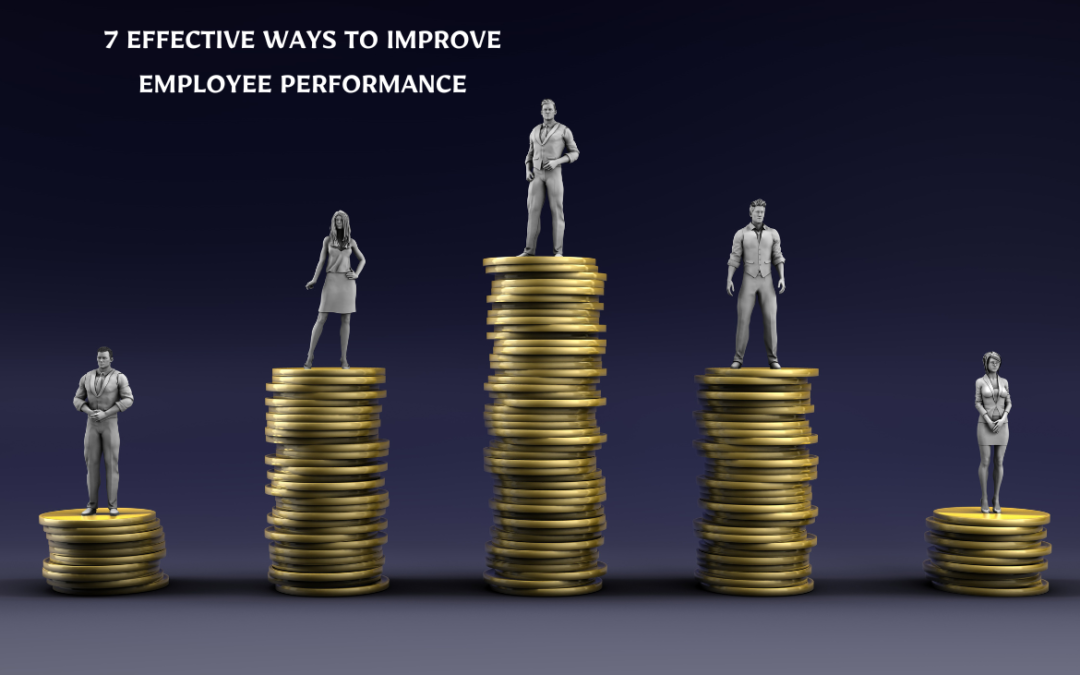
Employees’ work is crucial in defining success. It will improve employee performance, ensure smooth operations, and help achieve the desired goals in any organisation. Employees’ being fully engaged and committed leads to reduced business costs and significantly increased profit margins.
Ways to Improve Employee Performance
Set Clear Expectations: Ensure that staff understand their functions and the needed line of reporting. A clear view of the employees’ expectations enables them to follow instructions easily and aids them in prioritising their daily tasks. Repeatedly communicate aims and purpose and ensure everybody stays in line.
Offer Training and Development Programmes: Invest in the development of your employees by organising training related to the position requirements. And improving their soft skills to improve their effectiveness and productivity.
Doing so allows them to acquire the skills and knowledge they need in the first place to make them successful in their current jobs. Lifelong learning creates individual or personal development and develops professional skills. Thus, job satisfaction and performance are realised.
Encourage Open Communication: Construct an environment where people are free to share their minds and voices in which they might worry, as well as suggestions. Address any issues actively by listening to their input and resolving them instantly. The expression of non-sensitive and timely information encourages trust and improves the relationship between management and employees.
Foster a Positive Work Environment: Refine a good workspace in which everyone else values, respects, and supports the employees. Foster collaboration, teamwork, and cooperation among the staff, too. By celebrating achievements and ensuring a bond within the organisation, belongingness will be achieved.
Lead by Example: As a leader or manager, live by example and display the qualities you desire to observe in others. Your values should be ethical, professional, and on a high work line.
Simple, effective ways to recognise employee efforts and achievements
Verbal Praise: Let me remind everybody to take a moment to personally thank each employee for his work and for all the results he has achieved. People will truly value the feeling that they matter when they leave. Thank yous can be very helpful in showing appreciation.
Public Acknowledgement: Thank your employees during team meetings, company-wide emails, or bulletin boards to draw the team’s attention to their big contributions and achievements.
Reward Programs: Implement employee awards such as “Employees of the Month” or spot bonuses for excellent achievement and motivate people to be better workers.
Professional Development Opportunities: The organisation should invest in employee development by offering additional training. Or opportunities to attend conferences or working groups that are closely related to their career path or their personal interests.
Team Celebrations: A good team-building approach covers many areas, such as monthly team lunches and outings, events to note progress, when a project has been completed, or when someone excels in performance. This is how team members can build a strong bond and company.
Peer Recognition: Create an encouragement feedback loop. Where teammates celebrate each other’s efforts through peer-to-peer recognition programs or informal shout-outs at team meetings.
Organisations can make a significant difference by creating a strategy that consistently guides employee effectiveness towards the established goals. It’s important to remember that investing in your employees’ success is the key to achieving success in your business. The actual achievement of your business goals is simply a byproduct of this investment.
Organisational success depends on employee productivity, as it affects profitability, innovation, and overall growth of the business. As the working environment evolves with the current workforce, it is essential for businesses to adopt productivity-enhancing strategies. This piece will explore the key features that contribute to the highest level of employee productivity, providing valuable information for both employers and employees seeking to improve their productivity.
Clear Communication and Goal Alignment:
Effective communication is critical to run a successful business operation. Make employees understand the objectives of the organisation, each of the roles, and the way their work adds value to the organisation. Frequently inform about news and obligations, and reward those who were successful in order to reach the same level of awareness.
In order to empower employees, it’s crucial to delegate some decision-making authority to them within their respective areas of work. This not only helps to instil a sense of ownership but also deepens their creativity, thinking, and problem-solving abilities. It’s crucial to create a work environment where individuals feel comfortable voicing their ideas and taking the lead.
Invest in Employee Development:
Continuous learning and professional development are imperative to employee engagement and output. Run training programs, workshops, and mentorships to enable employees to hit new milestones and keep up with industry changes. The involvement of qualified personnel is crucial for production.
Flexible Work Arrangements:
Recognise that work changes its nature by proposing flexible arrangements like working remotely or flexible hours. This works in such a way that it has the ability to meet diverse needs and keep the work-life balance, which is a factor that enables the reduction of burnout and enhances general well-being.
Provide the Right Tools and Technology:
Provide your employees with the most advanced tools to help them perform their tasks more efficiently. Outdated or ineffective systems may hinder your organisation’s operations. Therefore, it is crucial to regularly review and upgrade your technology to align with your organisational goals and safety standards.
Recognition and Rewards:
Acknowledge and appreciate a good job done for the workers. Appreciation leads to an environment conducive to work, thus enhancing motivation and morale. Maybe you can use the system of rewards, which enlarges the culture of excellence.
Wellness Programs:
The well-being of employees directly affects work productivity. Provide wellness programs that should allow for physical and mental health. This may, therefore, involve health and wellness activities, psychological resources, and a working culture that gives utmost priority to work-life balance.
Effective Time Management:
Offer tools and classes that teach you how to manage your time better. Bring into practice the productivity methods, including time blocking, prioritisation, and goal setting. Ensure that employees have the tools and motivation required for effective time management.
Collaborative Culture:
Encourage a culture of collaboration among teams that will make it easier for them to share knowledge and communicate. Set up collaborative tools, organise weekly team-building events, and develop a culture of openness in the workplace by providing appropriate communication venues. A collaborative culture nourishes creative and problem-solving abilities.
Regular Feedback and Performance Reviews:
Put in place a system of regular feedback and performance evaluations. This type of constructive feedback allows employees to know their own skills and areas of improvement for the sake of constant development. It is important to schedule regular check-ins not only to review progress but also to adjust to the organisational objectives.
Conclusion:
When it comes to making Employee Productivity, several factors must be taken into account, as they affect the work environment. A culture of clear communication, empowerment, development, and well-being can be established by organisations. This type of environment can help employees excel and, consequently, lead to sustainable success and growth.
In an era when trends change at the speed of light just by clicking, yet email marketing remains a mighty channel for business. In the modern age, where consumer engagement is a luxury item, devising efficient email marketing strategies is the miracle worker that keeps the flame of relationships and the conversion rate burning. This article explores the dynamic landscape of email marketing and uses actionable insights to chart a course for businesses moving forward in the rapidly expanding digital arena.
Segmentation and Personalization: Customer Experience
Forget about impersonal email sending in a mass format. Targeting and personalising are the nature of email marketing nowadays. Knowing your audience’s likes and dislikes enables you to design content regarding this in a way that appeals to your audience. Thus resulting in an improved customer experience. Encompassing everything from customised subject lines to dynamic content modules, segmentation enables companies to talk to identified communities within their audience, creating a feeling of belongingness and being addressed.
Embedding natives’ interactivities like quizzes, polls, and clickable surveys not only retain the viewer’s attention. But also encourages active participation from them. Now is the time to mention that modern consumers are on the lookout for an experience. And this strategic step to involve interactive content in emails is an effective way to give just that. Through out-of-box instruction, firms can establish a valuable, more interactive brand which leaves customers with a good memory.
As most users check their emails on mobile devices, the subject of mobile responsiveness is no longer an option. Using mobile-responsive emails is a necessity now. The current email marketing techniques seek to optimise mobile-friendly designs, a move that ensures the content appears sleek and enticing even on the screens of a mobile phone. Mobile optimisation has become crucial. It allows businesses to make visually appealing and engaging emails with clear subject lines that ultimately lead to a lasting impression on the fast-paced consumer.
Automation and Drip Campaigns: Building up the Followers Effectively
Modern consumers’ purchase process is complicated and requires tactical interaction points at various steps. Automation and drip tools allow companies to nurture their leads through targeted, prompt, and personalised communication. Automation greatly simplifies the process of bringing in new clients—onboarding them, communicating with dormant leads, re-engaging them, or simply timing out perfectly with your target audience.
Data-Driven Decision-Making: Harnessing Analytics for Success
Today, it is not just about the number of emails sent but also the data that is being analysed. Analytics provides a plethora of metrics to users and providers, such as open rates, click-through rates, subscribers’ behaviour, and preferences. By analysing this data, businesses can perfect their strategies and continuously improve their campaigns for better performance. Data-powered email marketing can transform even informational emails into effective marketing tools.
Conclusion:
In the digital world, email marketing joins as a loyal friend of every business that wants to be in touch with its audience in a personal way. Through the adoption and implementation of strategies that are consistent with the modern-day buyer’s expectations. Personalisation, interactivity, mobile optimisation, automation, and data-driven decision-making organisations are and can stay relevant and, at the same time, build long-term relations and grow successfully in the volatile and competitive digital market. Today, email marketing is not only about sending messages. But also about crafting experiences that leave an impact, and that is today’s email marketing.
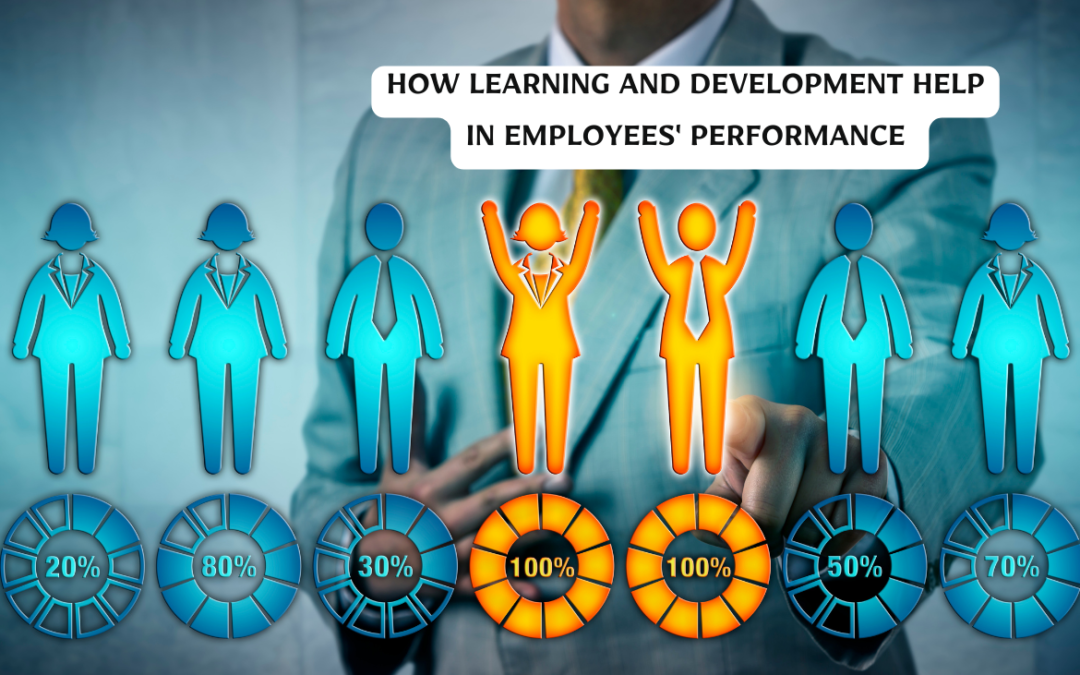
The rapidly changing business landscape poses a challenge for companies and employees. Who must find ways to adapt and remain competitive. One critical aspect of meeting this challenge is employee learning and development (L&D). A well-designed L&D program can serve as an engine of workplace efficiency. Fostering a culture of continuous improvement and ultimately contributing to the organisation’s overall success.
A robust learning and development program offers the opportunity to acquire and develop a variety of skills. As industries and technology continue to evolve, employees must keep pace with the latest practical training that is relevant to their roles. Continuous education will equip employees with the necessary skill set to tackle upcoming challenges and enhance their task outcomes.
Employee Engagement:
Investing in the growth and development of employees is a clear statement that the organisation values their work. And is committed to supporting their progress. This fosters a sense of loyalty and involvement among employees, as they feel that they are invested in the company and have its support. Engaged employees are motivated, connected to the organisation’s mission, and deliver results that contribute to its success.
In today’s rapidly changing world, adaptability is essential for individuals and organisations. L&D programs are essential for promoting a culture of adaptability among employees. These programs allow employees to learn new technologies, methodologies. And best practices to handle any changes that may arise, such as industry reform, organisational restructuring, or the introduction of innovative processes.
Improved Performance and Productivity:
Staff who are provided with the required knowledge and skills to execute their roles efficiently perform better. Hence, it contributes immensely to the overall performance and productivity of the organisation. L&D programs ensure employees are aware of their duties and can conduct their responsibilities more comprehensively, thus increasing the efficiency of the work done. The organisation gains in performance due to the professional growth of employees and the resultant productivity and work quality.
Talent Retention and Attraction:
Developing people’s skills is a powerful way to ensure that key employees are productive in the future. Employees expect their companies to be committed to their growth and provide them with ample opportunities to progress in their careers. Organisations that offer comprehensive Learning and Development (L&D) programs have a better chance of attracting skilled employees. With such programs, the cost of attrition for skilled individuals is reduced, and organisations maintain an advantage over market competition due to the availability of skilled talent.
Conclusion:
In fact, Learning and development is a strategic investment that offers a series of advantages to both individuals and organisations. From skill improvement to better engagement, adaptability, and performance, excellent Learning. A development program is key to staying competitive in the contemporary business market. In the long run, as organisations increasingly focus on developing their workforce. they are putting themselves in a position to sustain success and advancement in an era of change.
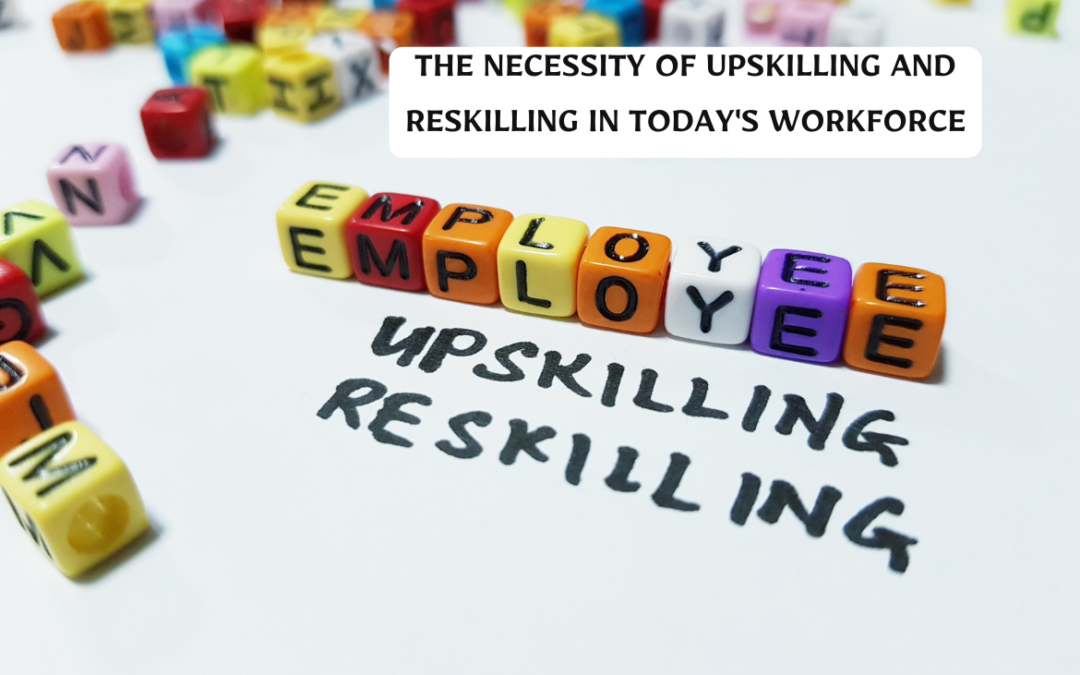
The technology breakthroughs and the fast-growing requirements in our international labour market have set the stage for upskilling and reskilling to emerge as more critical than ever before. This article will focus on the role of upskilling and reskilling in the modern workforce as the landscape undergoes constant change.
In the fast movement of technological disruption and the progression of automation, the skills needed by many professions are changing rapidly. If something that seemed innovative at the time is no longer relevant now. It means that some skills are no longer needed, and a new set of capabilities is in demand effectively. As industries increasingly embrace artificial intelligence, machine learning, and other advanced technologies, individuals must develop these skills to keep pace.
The Importance of Upskilling
Staying Competitive in the Job Market:
A learner-centred approach to training is considered the most effective one. These days, a man who upskills stands out in the crowd of job-seekers. Employers attach great value to applicants who show passion for lifelong learning, as well as the ability to quickly respond to dynamic trends.
Future-Proofing Careers:
There is no doubt that as industries undergo an era-changing transformation, it is imperative to future-proof one’s career. The upskilling approach guarantees that the individuals will be adaptive and can face the demands of automation and other technological changes. That allows them to catch and turn to new opportunities and be very productive contributors to their firms.
Meeting Employer Expectations:
Employers start to ask for candidates with broad skill sets that are not limited by the basic functions of the job. Employees who are reskilled can provide more than the organisations require, and they help the business be among the competition due to the innovation they bring.
The Necessity of Reskilling
Adapting to Industry Shifts:
Skills acquisition refers to the process of learning new skills, which are, in most cases, triggered by large-scale industry changes. The whole sector is going through a transformation. Reskilling is important if one wants to be employable. People who take the initiative to upskill will find it easy to change their work profile in line with the fast-changing job positions.
Addressing Job Displacement:
Recent technological developments are likely to result in the abolition of jobs. Reskilling is a crucial factor for those in roles prone to automation. It gives them a chance to develop the skills needed in emerging industries, hence mitigating the career effect of job displacement.
Enhancing Professional Agility:
Quick adaptability is the most sought-after characteristic in the job market, which changes at a rapid pace. Through reskilling, a person can build a broad spectrum of skills and, hence, make himself almost an “all-rounder.” Adaptability does more than that; it provides new careers for individuals and also instils a culture of lifelong learning.
Organisational Benefits of Upskilling and Reskilling
Increased Employee Engagement:
Organisations that provide career development opportunities for their employees show such organisations’ concern for their employee’s well-being. This sets up a good workplace culture, which drives up employees’ engagement and satisfaction.
Innovation and Adaptability:
A worker with the right skills and adaptability is very important for organisations to be innovative and capable of adapting themselves. Trained and retrained employees are impetuses of fresh approaches. It fuels innovation and allows companies to stay creative as the world changes.
Talent Retention:
Staff tend to respect employers who invest in their employees’ career progression. Upskilling and reskilling programs enable workers to remain in the organisation longer by giving them a chance to advance within the workplace.
Conclusion:
Therefore, upskilling and reskilling are in demand now. And in the near future because the only thing that does not change is the change itself. People and organisations that focus on learning throughout their lives and place emphasis on skill development will have it easier to adapt to drastic changes in the current labour market. By the time we get to a more and more automated workforce. We should all be ready to make changes and develop.






Recent Comments